LEARN • BASICS
Beekeeping Basics
Whether you’re thinking about becoming a beekeeper or just getting started, understanding the basics is the first step toward caring for a healthy hive. Explore the essential equipment, learn how a hive works, and discover practical tips to help you feel more confident working with honey bees.
Opening a Hive
Opening a hive is one of the best ways to understand what’s happening inside a honey bee colony. Regular hive inspections allow beekeepers to observe the bees, check the health of the colony, and identify potential problems before they become more serious.
Before opening a hive, gather the basic tools you’ll need—including protective clothing, a smoker, and a hive tool—and choose a calm, mild day when many of the foraging bees are away from the hive.
As you inspect the colony, work slowly and gently. Look for signs of a healthy, active hive, including:
A consistent brood pattern
Eggs, larvae, and capped brood
Adequate honey and pollen stores
Signs that the queen is present and laying
Healthy-looking adult bees
Evidence of pests, disease, or other concerns
With experience, each inspection becomes an opportunity to better understand the rhythm of the colony. The goal isn’t simply to open the hive—it’s to learn how to observe what the bees are telling you and respond when they need help.
This video allows you to observe the approach, the opening and the reading of the individual frames in a busy summer hive.
Each of our hives contains more than 60,000 bees. They are carefully monitored all year-round by members of the club. We feed them in the winter, watch for overcrowding in the spring, harvest honey in the summer, and monitor hives for harmful pests throughout the year.
Seasonal Hive Care
Spring
BUILD & PREPARE
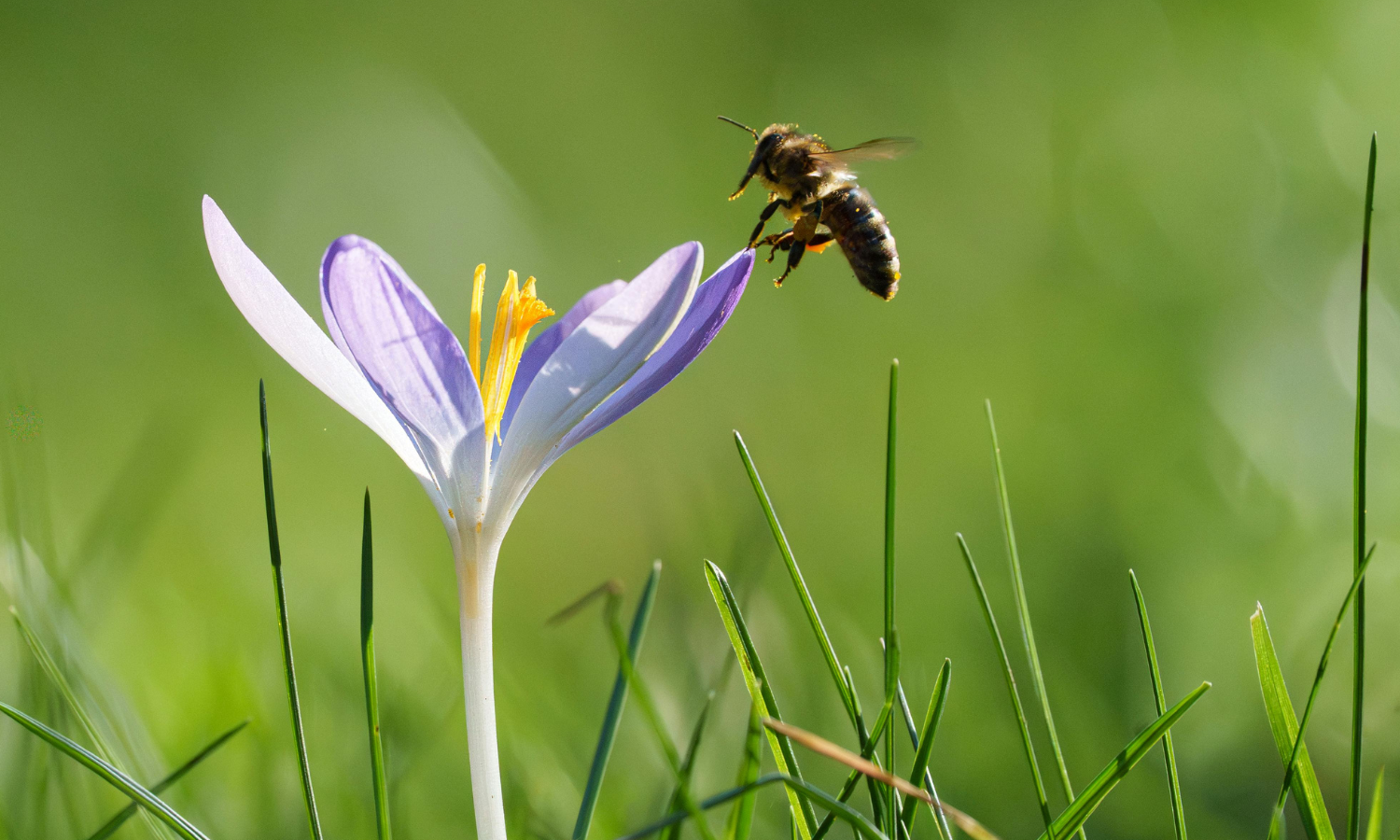
Assess the colony after winter, check food stores and queen activity, monitor for disease and Varroa mites, manage space as the colony expands, and watch for signs of swarming.
Summer
MONITOR & MANAGE
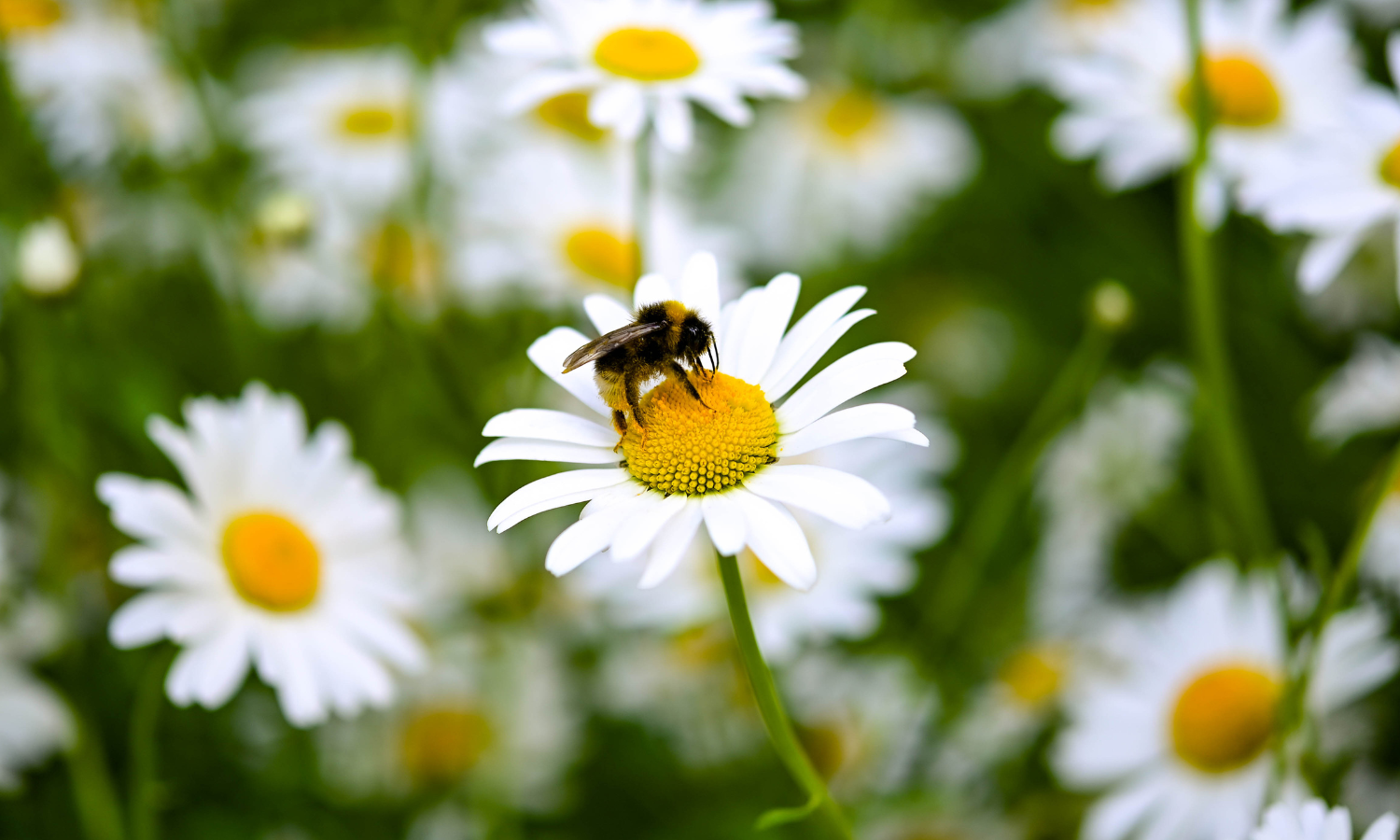
Continue regular inspections, provide adequate space, monitor pests and mites, ensure access to water, manage honey supers, and watch for heat or ventilation issues.
Fall
PREPARE FOR WINTER
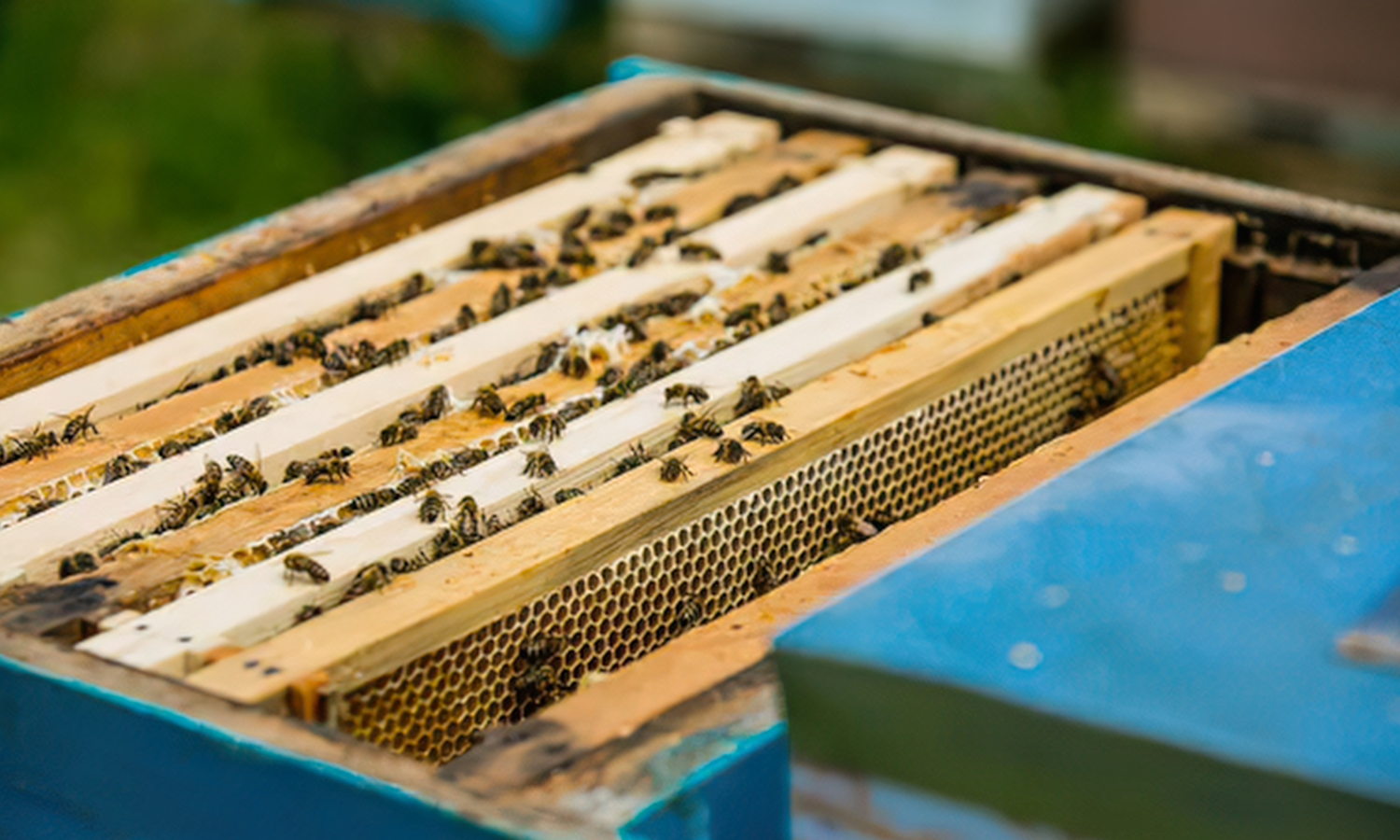
Evaluate colony strength and food stores, perform appropriate mite management, reduce entrances as needed, combine weak colonies when appropriate, and make sure the hive has sufficient stores for winter.
Winter
PROTECT & OBSERVE
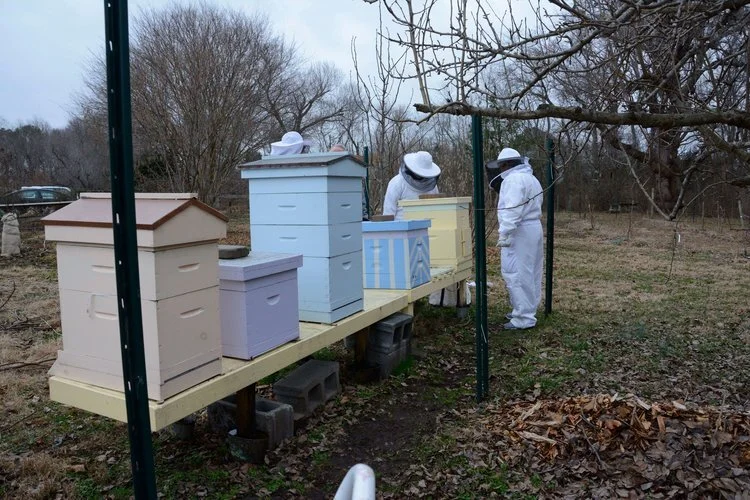
Minimize disturbance, protect the hive from excessive moisture and wind, periodically check food reserves, keep entrances clear, and monitor the colony without unnecessarily opening the hive.
WINTER HIVE CARE
Helping Our Hives Through Winter
During colder months, honey bees cluster together around the queen, generating heat to keep the colony warm. Changing temperatures can cause the cluster to break apart and reform, using valuable energy at a time when natural food sources are limited.
How We Help
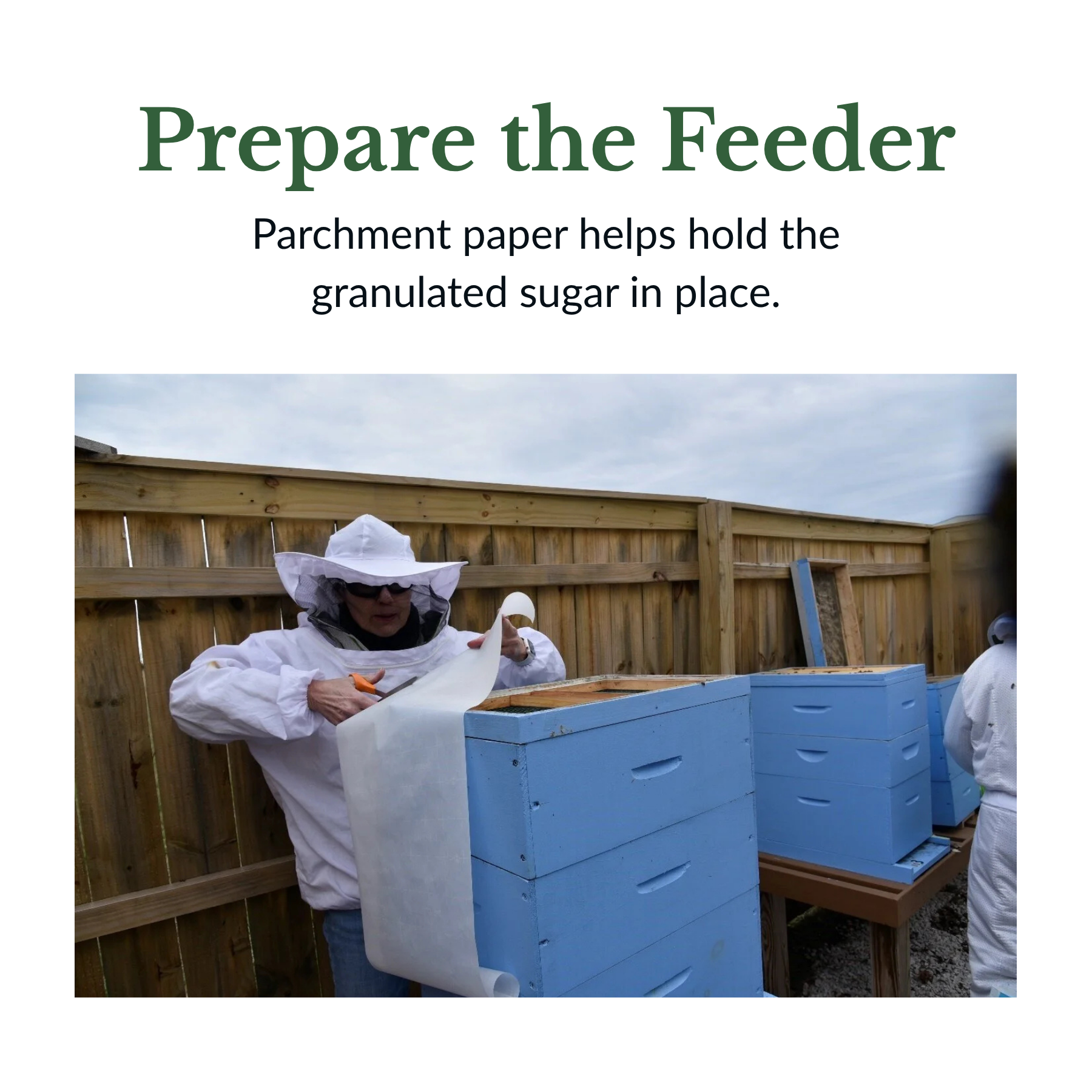
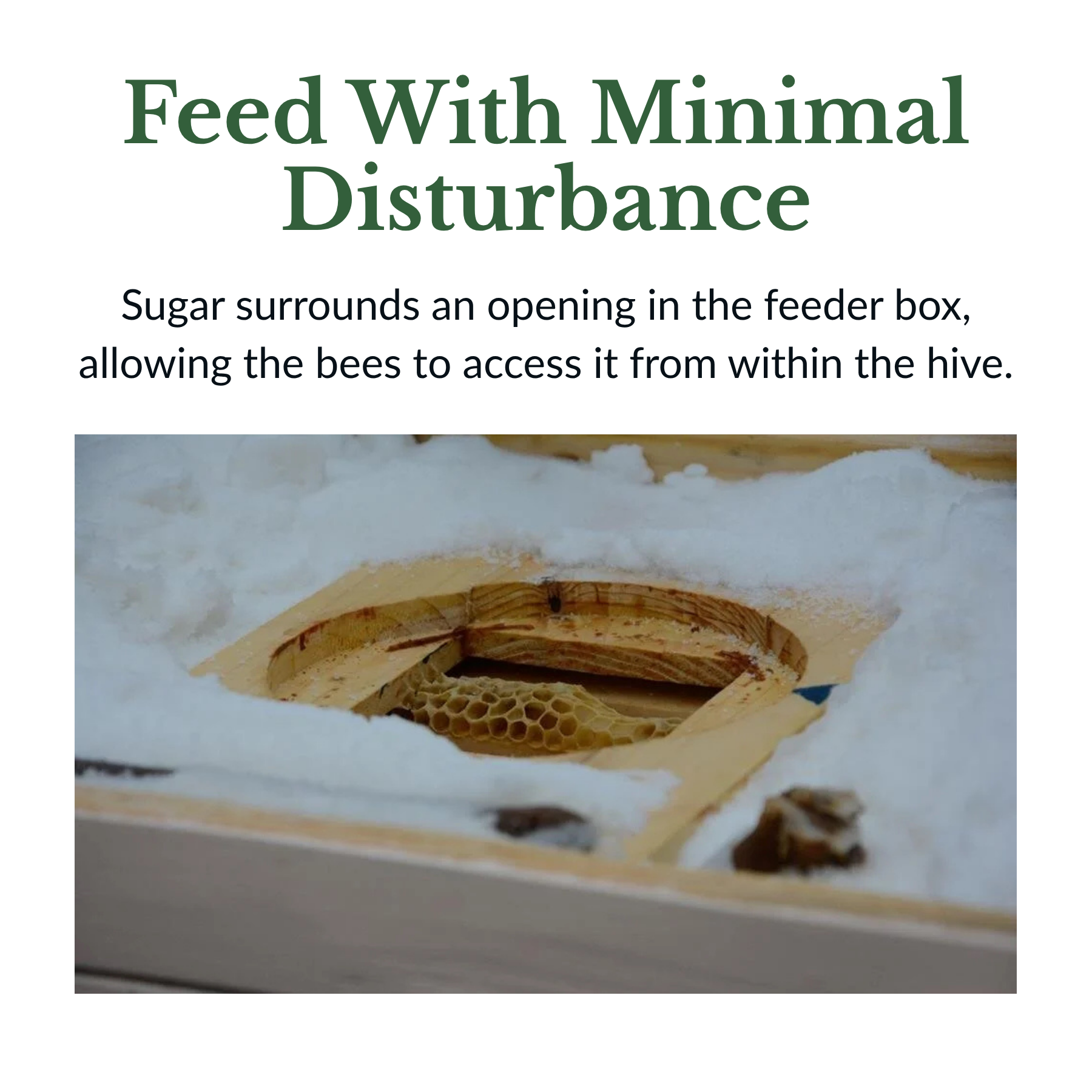
At the Lewes Beekeeping Club, we supplement our colonies' winter honey stores with granulated sugar. A feeding box at the top of the hive allows us to provide additional food while minimizing how often the hive needs to be opened during cold weather.