

LEARN • POLLINATOR GARDENING
Pollinator Gardening
Plant with purpose and help support the pollinators that keep our landscapes thriving.
Create a Garden That Gives Back
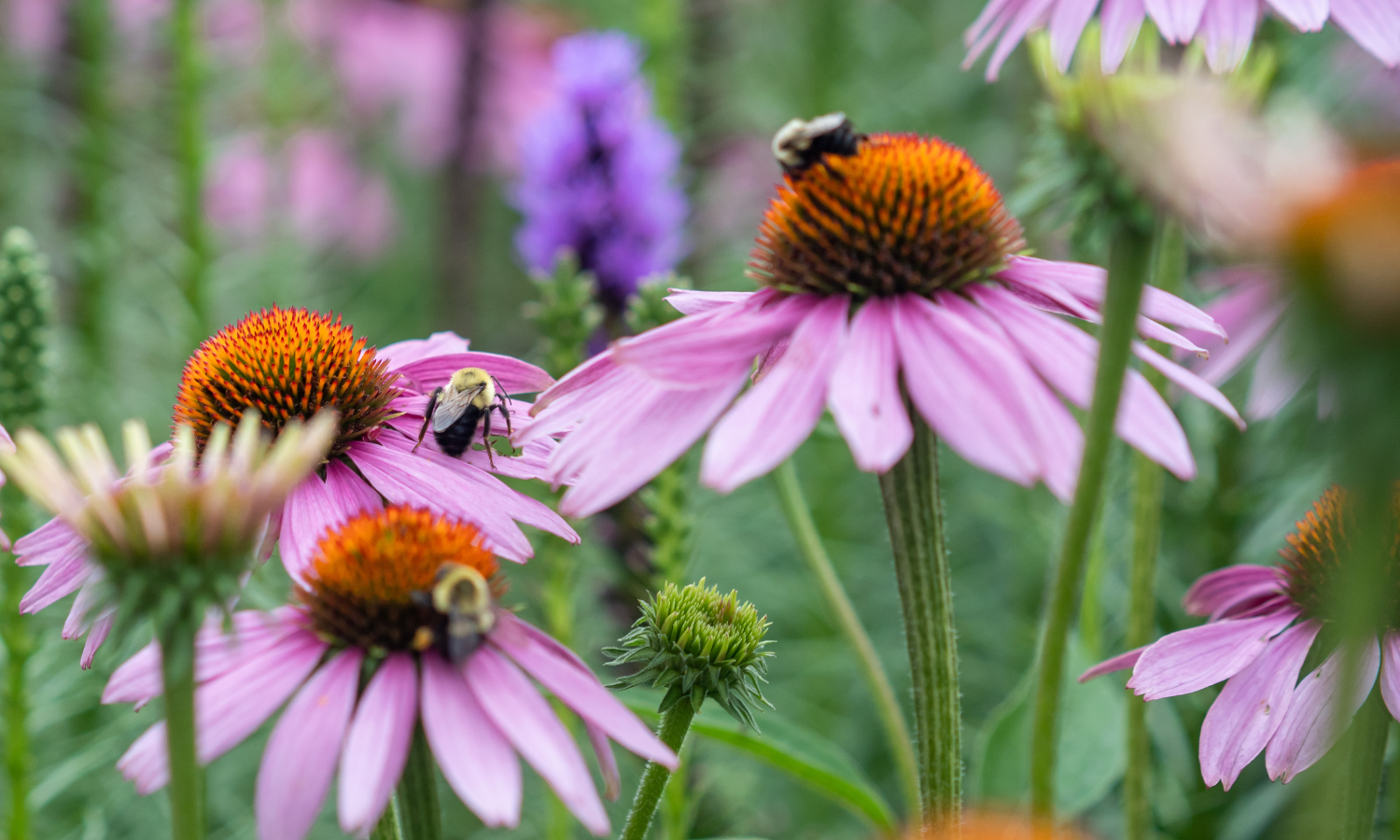
You don’t need a large yard to create valuable habitat for bees, butterflies and other pollinators. By choosing native plants, providing flowers throughout the growing season and reducing pesticide use, even a small garden can become an important source of food and shelter.
Whether you’re planting a new garden or simply adding a few pollinator-friendly plants to your existing landscape, every flower helps.
Start With a Few Simple Steps

ADD TREES & SHRUBS
Pollinator gardens aren't limited to flowers. Native trees and shrubs provide nectar and pollen while also offering shelter and serving as host plants for caterpillars and other insects.
Pesticides can harm beneficial insects along with the pests they are intended to control. Whenever possible, choose pollinator-friendly alternatives and use pesticides sparingly.
REDUCE PESTICIDES
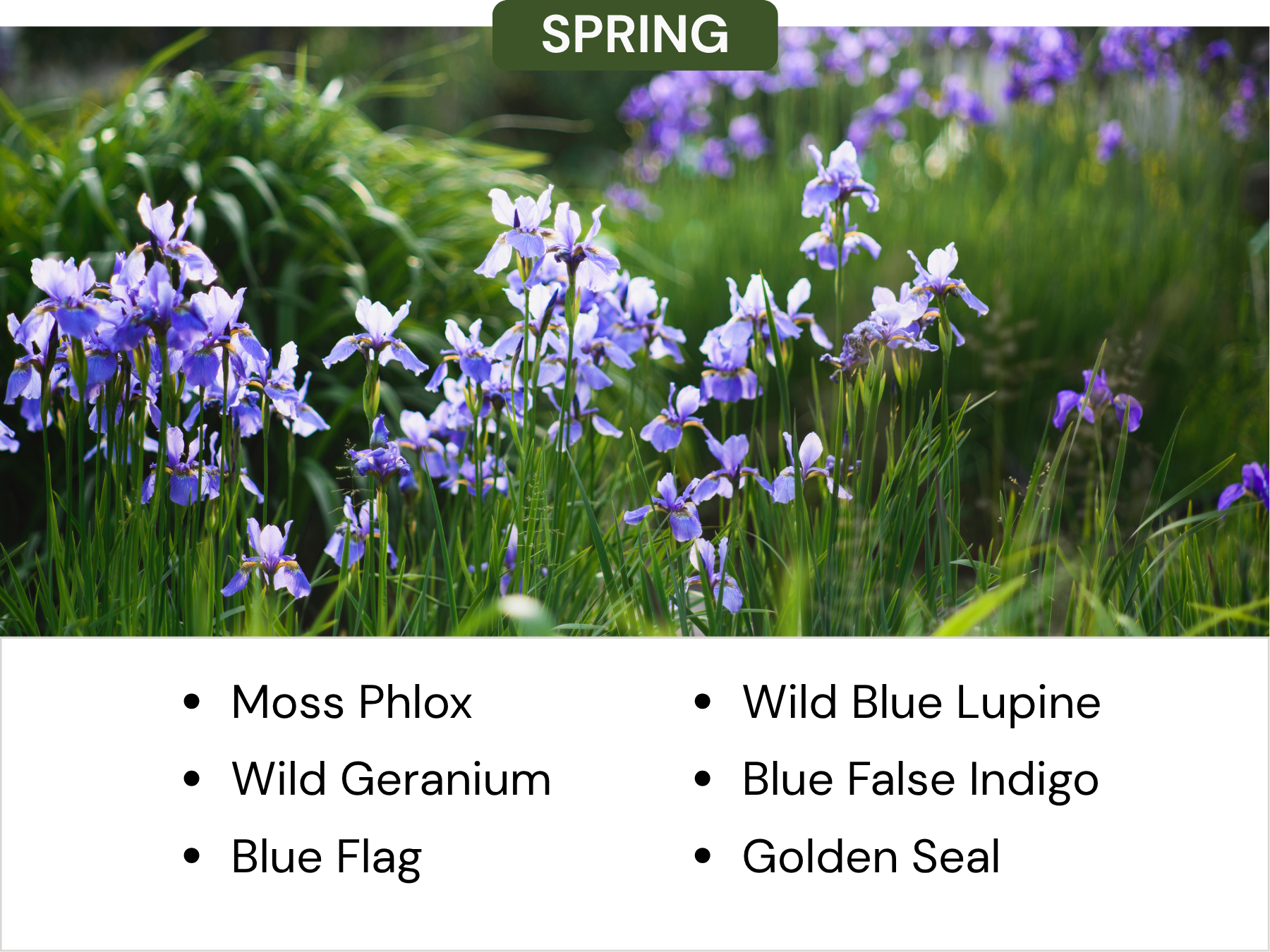
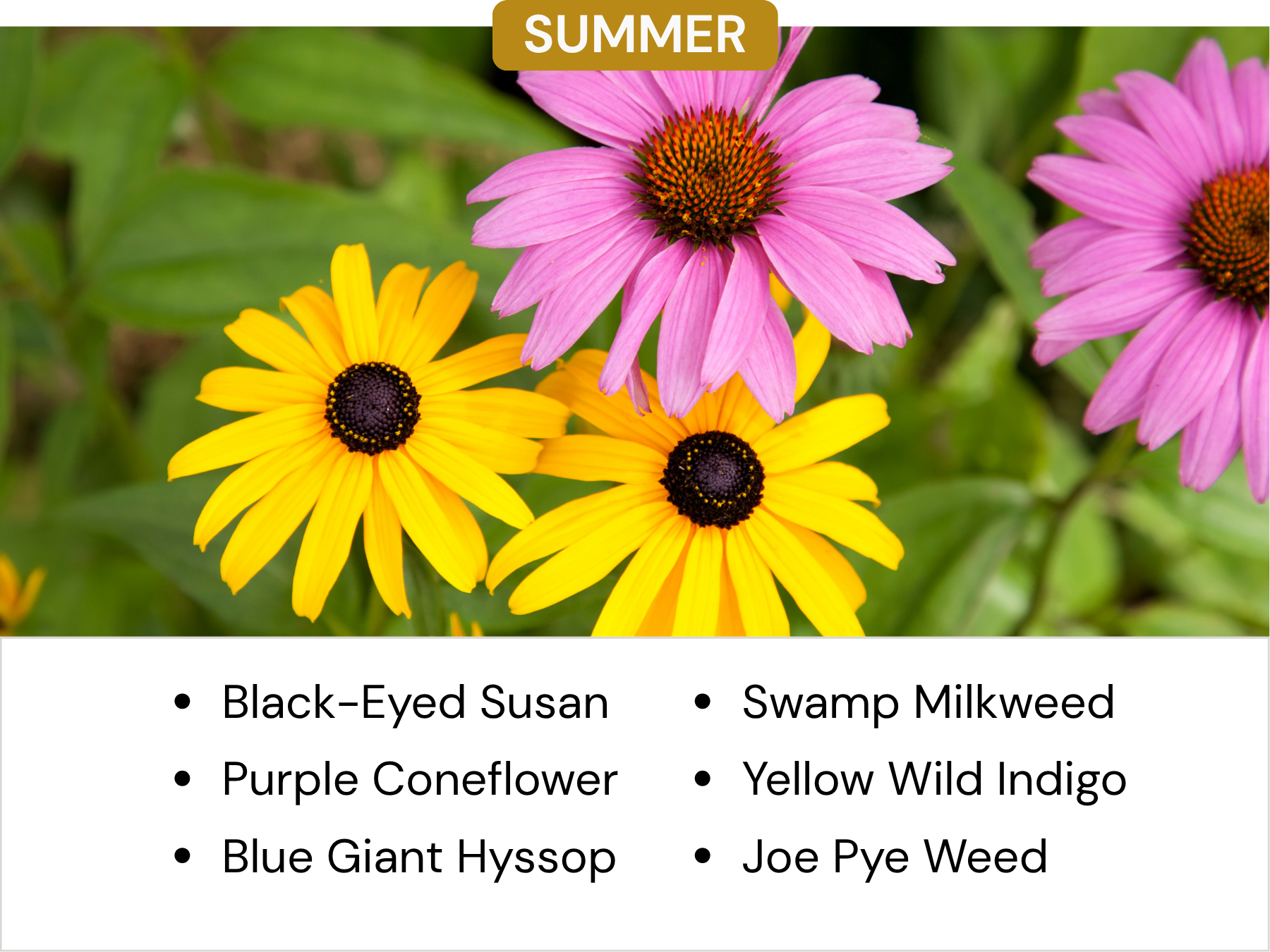
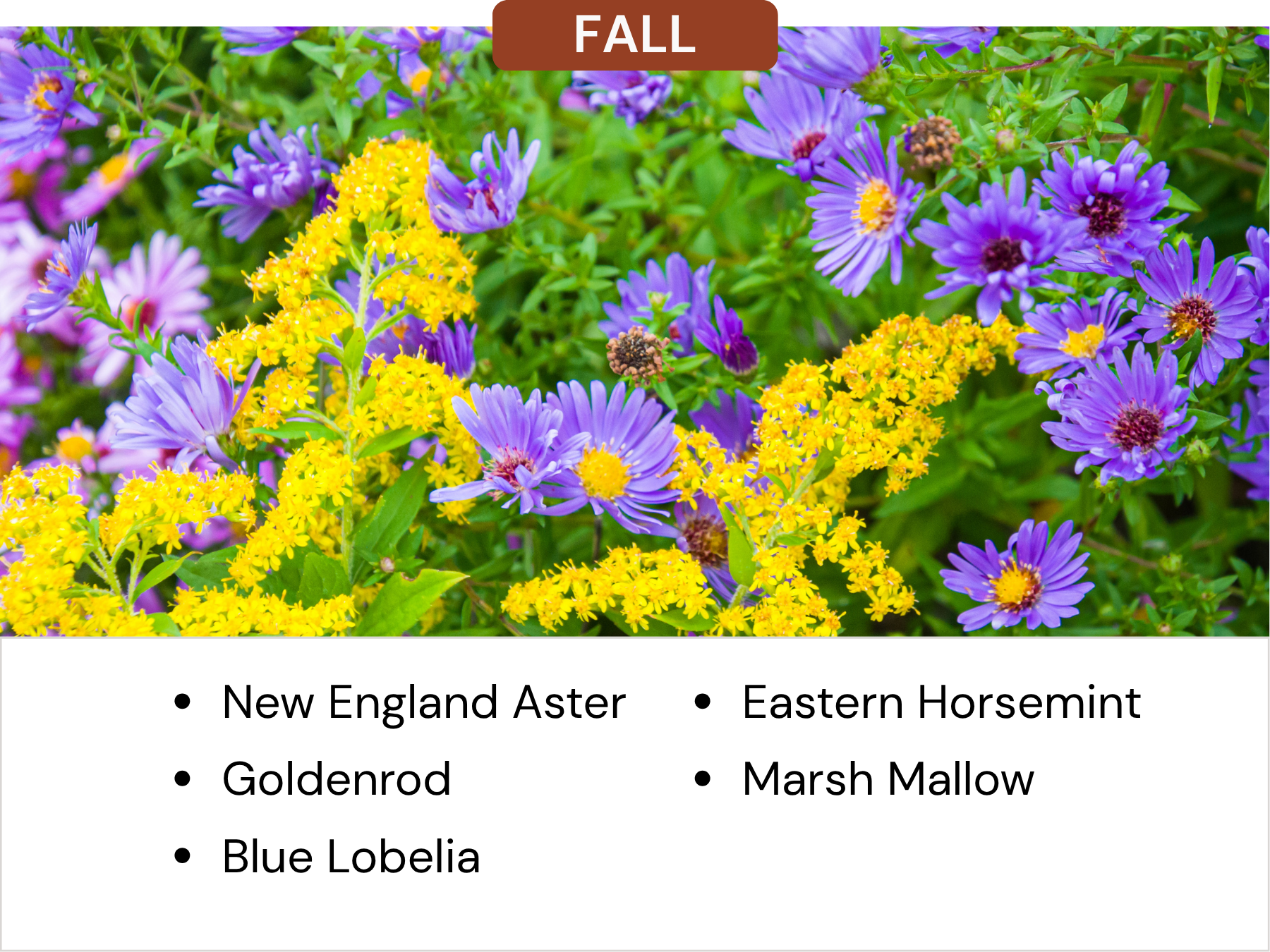
Keep something blooming from early spring through late fall. A succession of flowers provides pollinators with a more dependable food source throughout the growing season.
PLANT FOR THREE SEASONS
Native plants are especially valuable because they have evolved alongside our local pollinators. They provide the nectar, pollen and habitat that bees, butterflies and other beneficial insects need to thrive.
PLANT NATIVE
A shallow source of clean water can benefit bees, butterflies and other wildlife. If you don't have a natural water source nearby, consider adding a birdbath or other shallow water feature.
PROVIDE WATER
Keep Your Garden Blooming
Provide flowers throughout the growing season.
Think Beyond Flowers
NATIVE SHRUBS
Consider adding native shrubs such as Buttonbush, Ninebark, Sweet Pepperbush, Oakleaf Hydrangea, Arrowwood Viburnum and Red Osier Dogwood.
Shrubs can provide nectar, pollen, shelter and nesting habitat while adding structure to your landscape.
NATIVE TREES
Trees can be some of the most valuable plants in a pollinator-friendly landscape. Consider species such as:
Oak • Black Gum • American Linden • Flowering Dogwood • Eastern Redbud • Serviceberry • Red Maple • Tulip Poplar • Black Willow • American Holly
Many native trees provide pollen or nectar and also serve as host plants for the larvae of butterflies and moths.

A Pollinator Garden Can Start Anywhere
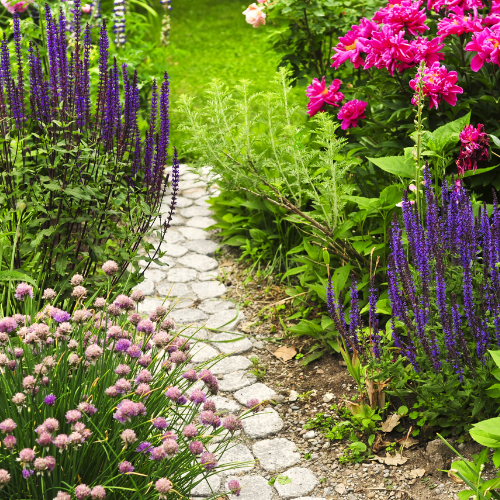
You don't have to redesign your entire yard. Start with one garden bed, replace a small patch of lawn, add a native shrub or tree, or simply introduce a few more native flowering plants.
Over time, those small choices can create a landscape that is beautiful for you—and much more welcoming to pollinators.

Want to Learn More?
Explore these resources for more information about native plants and creating pollinator-friendly landscapes: